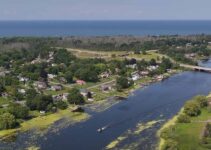
Across the United States, communities are taking a closer look at how pesticides, herbicides, and fertilizers (also referred to as “agrochemicals”) are used in public and private spaces. What was once viewed primarily as a landscaping or maintenance issue is being discussed more and more as part of a broader conversation about water quality, public health, sustainability, municipal operations, and quality of life.
Rethinking the Landscape
From rural townships and suburban neighborhoods to large urban parks systems, local governments are reevaluating how agrochemicals are applied, where they’re used, and what role municipalities should play in guiding or regulating their use. The result is a growing patchwork of local policies, educational initiatives, seasonal restrictions, and operational changes designed to reduce risk while balancing practical maintenance needs.
Communities are approaching the issue from many angles: protecting lakes and streams, reducing maintenance costs, responding to resident concerns, improving pollinator habitats, safeguarding school grounds, or simply modernizing long-standing landscaping practices.
View sample agrochemicals legislation >
More Than a Lawn Issue
For municipalities, the discussion often begins with something familiar: turf management. Parks, athletic fields, school grounds, medians, public buildings, golf courses, cemeteries, and rights-of-way all require ongoing maintenance. Historically, chemical fertilizers and pesticides became standard tools for keeping those spaces green, clean, and pest-free.
Over time, however, communities began recognizing the unintended impacts that can accompany widespread or excessive use. Nutrient runoff from fertilizers can contribute to algae blooms and degraded water quality in lakes, rivers, and stormwater systems. Improper pesticide use can affect pollinators, wildlife habitats, and nearby waterways. Public concerns have also grown around exposure in heavily used public spaces, particularly where children are present.
Municipalities are finding that these concerns intersect with many aspects of local government responsibility, including environmental stewardship, parks management, stormwater compliance, public works operations, and public communication.
Water Tells the Story
One of the strongest drivers behind local action has been water quality protection. Many communities, especially those near lakes, reservoirs, estuaries, and coastal areas, have focused on nutrient pollution tied to lawn fertilizers and runoff.
Phosphorus and nitrogen — common ingredients in fertilizers — can wash into waterways through storm drains and rain events. In some regions, this has contributed to harmful algae blooms, declining water clarity, and ecosystem disruptions. Environmental agencies and watershed groups emphasize that urban and suburban runoff plays a significant role in these challenges.
As a result, many municipalities have adopted seasonal fertilizer restrictions, buffer requirements near waterways, or educational campaigns encouraging more targeted lawn care practices. New York State’s nutrient runoff law, for example, restricts phosphorus fertilizer use on most lawns and limits fertilizer application during certain winter months. The law also allows municipalities to adopt stricter standards when local water conditions warrant it.
For local governments, these policies are often less about eliminating lawn care products entirely and more about reducing overapplication, encouraging best practices, and protecting shared natural resources.
Parks, Playgrounds, and Public Trust
Another major area of focus is public space management. Municipal parks departments and school districts increasingly face questions from residents about what substances are being applied to athletic fields, playgrounds, trails, and recreational facilities.
This has led some communities to explore alternative maintenance approaches, including reduced chemical use, organic landscaping practices, or Integrated Pest Management (IPM) programs. Rather than relying on routine or blanket chemical application, IPM emphasizes monitoring, prevention, targeted treatment, and the use of the least hazardous methods necessary to address a problem.
The Environmental Protection Agency (EPA) has strongly promoted IPM programs in schools, describing them as environmentally sensitive and cost-effective approaches that can reduce unnecessary pesticide exposure while maintaining healthy facilities.
For municipalities, these strategies can align with broader goals around sustainability, operational efficiency, and community confidence. In many cases, local governments are finding that more residents expect transparency around what is being used in public spaces and why.
Different Communities, Different Approaches
Local responses vary widely depending on geography, climate, infrastructure, and community priorities.
Coastal communities may focus heavily on fertilizer runoff because of impacts on bays, estuaries, and tourism economies. Rural communities may concentrate on balancing environmental concerns with agricultural realities. Dense suburban municipalities often emphasize neighborhood lawn practices and stormwater management. Urban areas may prioritize park maintenance standards and public exposure concerns.
Some municipalities adopt ordinances limiting when or where certain products can be applied. Others focus primarily on public education, encouraging residents and contractors to use products more carefully. Some establish pollinator-friendly landscaping initiatives or native planting programs designed to reduce chemical dependency altogether.
In many communities, the shift is gradual rather than sweeping. Municipal governments often begin with changes to their own operations before considering broader regulations. Public works departments may test reduced-spray practices, parks departments may phase in alternative treatments, or municipalities may revise landscaping standards for public projects.
The Balancing Act
Despite growing momentum around reduced chemical use, municipalities also face practical realities.
Public spaces still need to be maintained. Athletic fields must remain safe and playable. Invasive species require management. Mosquito control remains important in many regions. Weed control along sidewalks, roads, and infrastructure corridors affects accessibility and safety. Budget limitations and staffing constraints also shape what municipalities can realistically implement.
As a result, most local conversations are not framed as simple “for or against” debates. Instead, communities are navigating a series of practical questions:
- How can municipalities maintain public spaces effectively while minimizing unnecessary environmental impact?
- Which products or practices pose the greatest concern locally?
- What balance should exist between regulation, education, and voluntary compliance?
- How should municipalities address resident expectations around aesthetics, sustainability, and public health?
- What operational changes are financially and logistically realistic?
These discussions often lead to nuanced approaches rather than one-size-fits-all solutions.
A Growing Policy Conversation
As awareness grows, municipal codes and ordinances are progressively reflecting changing attitudes toward landscape management and environmental stewardship.
Some communities now include fertilizer application standards within stormwater regulations. Others address pesticide notification requirements, buffer zones near water bodies, pollinator habitat protections, or restrictions for municipal property maintenance contracts. In certain cases, local governments have also revisited procurement standards, landscaping specifications, or public education initiatives.
At the same time, municipalities must navigate differing state laws regarding local authority over agrochemical regulation. In some states, local governments have broad authority to adopt stricter standards, while others limit local regulatory power.
This evolving legal and operational landscape means the issue intersects more and more with planning, public works, sustainability, environmental services, parks management, and municipal code administration.
Looking Ahead
For many municipalities, the conversation around pesticides, herbicides, and fertilizers is ultimately part of a larger shift in how communities think about public spaces and environmental responsibility.
Residents are expecting parks, waterways, neighborhoods, and civic spaces to be both functional and environmentally conscious. Local governments, meanwhile, are balancing maintenance expectations with growing awareness of runoff, habitat impacts, public exposure concerns, and long-term sustainability goals.
While approaches differ from one community to another, the broader trend is clear: municipalities across the country are paying closer attention to how these substances are used, what impacts they may have, and how local policy can help shape healthier and more resilient communities.
Useful examples of agrochemicals legislation from the eCode360® Library
If your municipality is looking for ways to develop or update ordinances regarding pesticides, herbicides, and fertilizers, you’ll find valuable examples in our eCode360 Library, including:


When was the last time your code was updated?
Making sure your adopted legislation is integrated into your municipal code is important to your entire community. Sending updates regularly helps keep your code information organized, current, and easy to manage without the stress of big “catch-ups” later on. Click here to see how easy it is for General Code clients!
For tips that will allow us to process your code updates most efficiently, click here.
Questions about updating your code?
Our Client Care team is available to explain the options and benefits of scheduled code updates or any other code-related questions you might have. Contact us.
Sources:
- Turf management
- The Environmental and Health Impacts of Pesticides
- Environmental Implications of Excess Fertilizer and Manure on Water Quality
- Threats to pollinators
- Pesticide Exposure
- What is nutrient pollution?
- Seasonal fertilizer application restrictions in place
- Calculating Buffer Zones: A Guide for Applicators
- Through thoughtful practices, lawns can be climate-friendly
- Erie County Healthy Lawns Campaign: Make Your Lawn a Pesticide-Free Safe Home for the Gnomes!
- Lawn Fertilizer (NYS Nutrient Runoff Law)
- Community-Led Efforts to Ban Glyphosate in Public Spaces Pick up Speed
- Integrated Pest Management (IPM) Principles
- Rethinking Pest Management in Towns & Cities
- The Increasing Problem of Nutrient Runoff on the Coast
- Rural Reality Check: New Findings on Climate Emissions & Solutions in Rural America
- Building Community Resilience with Nature-Based Solutions
- Landscape Management
- Environmental Stewardship
- Stormwater Best Practices for Fertilizing the Lawn
- Monroe County, NY: Pesticide Neighbor Notification Law
- Town of Richmond, NY: Lawn Fertilizer and Pesticide Runoff Control
- Pollinator Pathway: Municipal Ordinances and Resolutions
- NYC Local Law 37: Pesticides Used by City Agencies
- How pesticides impair our senses
- Center for Food Safety: Impacts of Pesticide Use
- The Unintended Consequences of Pesticides
- Missoula residents raise questions about pesticides in public spaces
- eCode360 Library